Bagasse vs Plastic: Which is Better for Food Packaging?
The Environmental Impact of Plastic Packaging
Plastic food packaging has become one of the most significant contributors to environmental pollution. Every year, millions of tons of plastic waste end up in landfills and oceans, taking hundreds of years to decompose.
What is Bagasse?
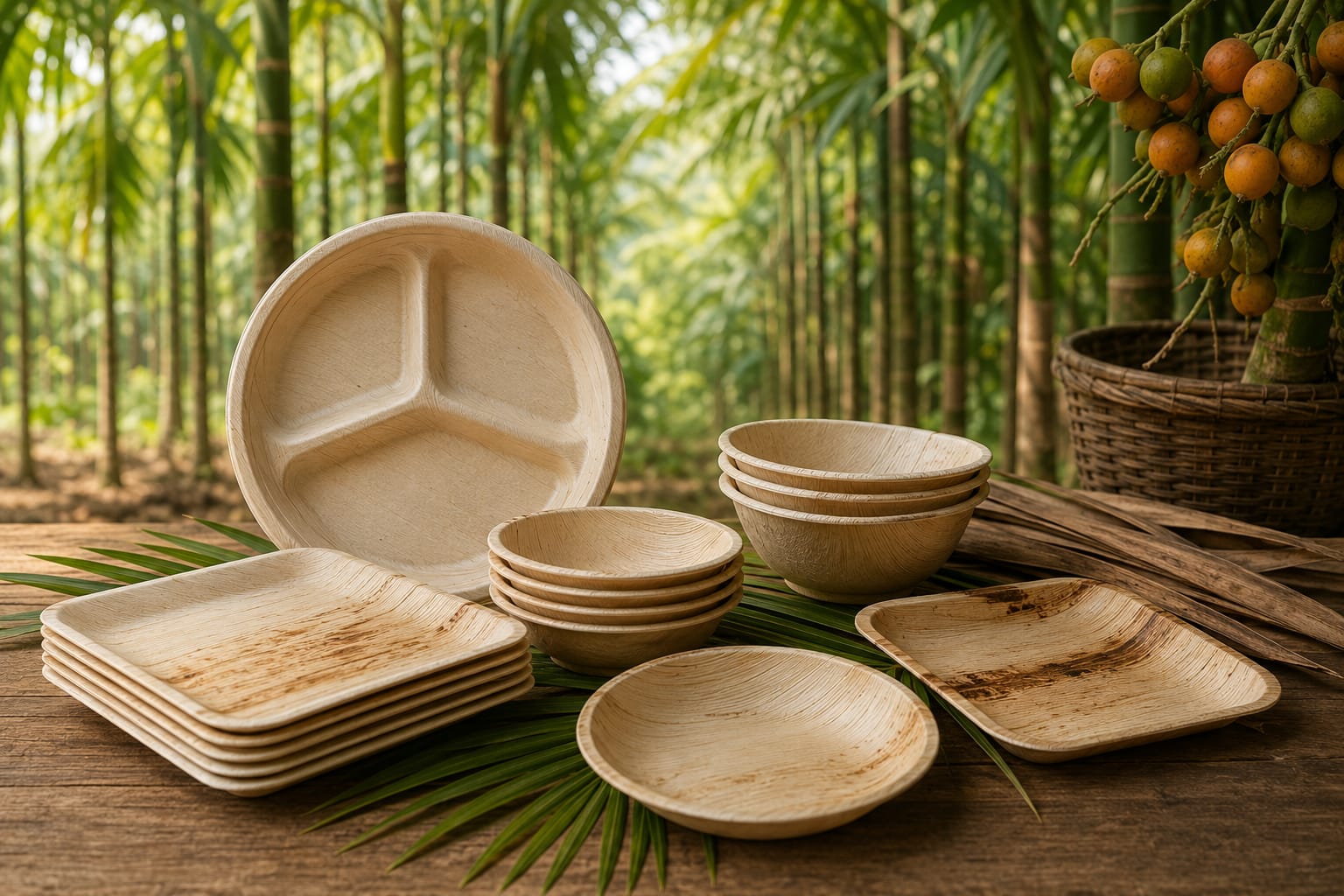
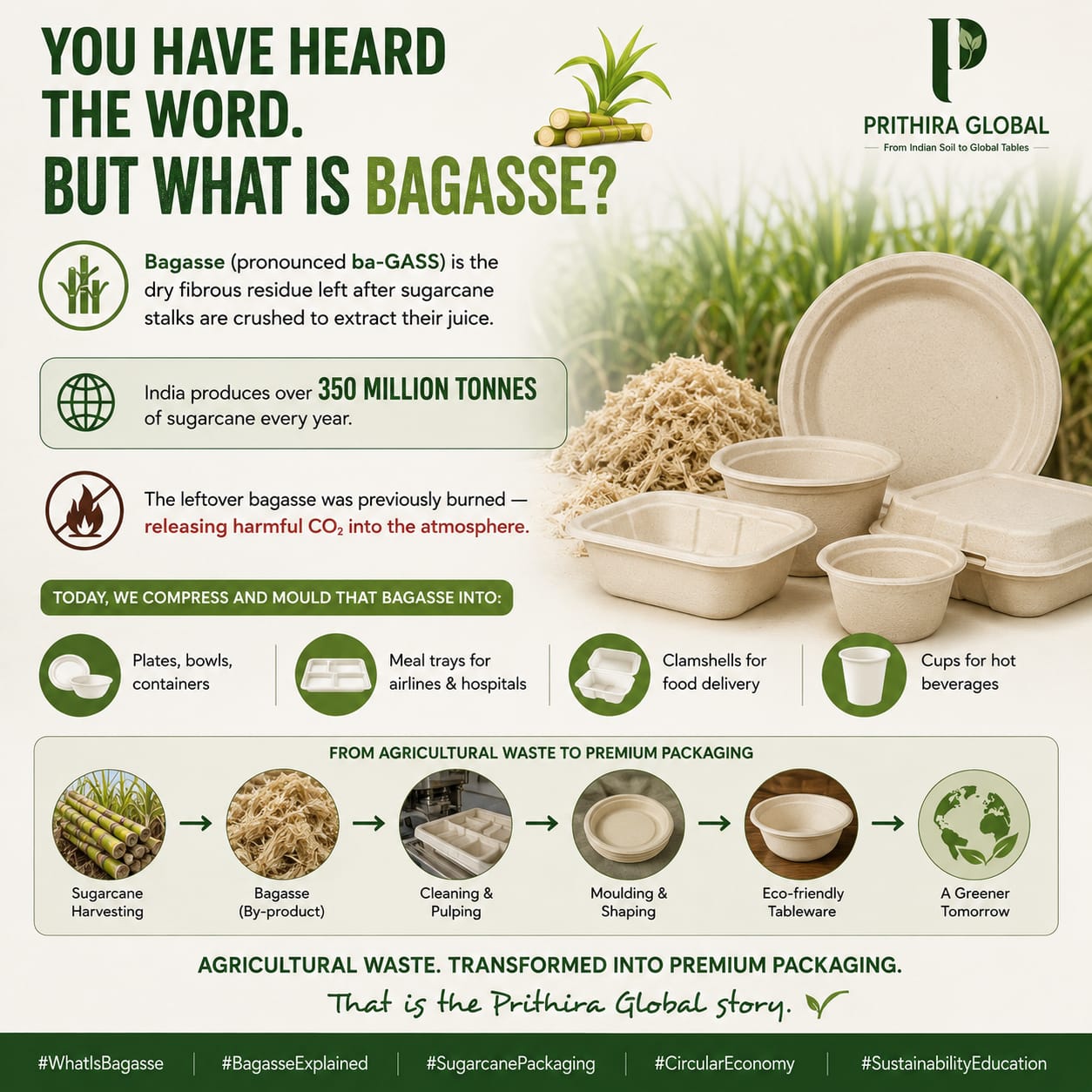
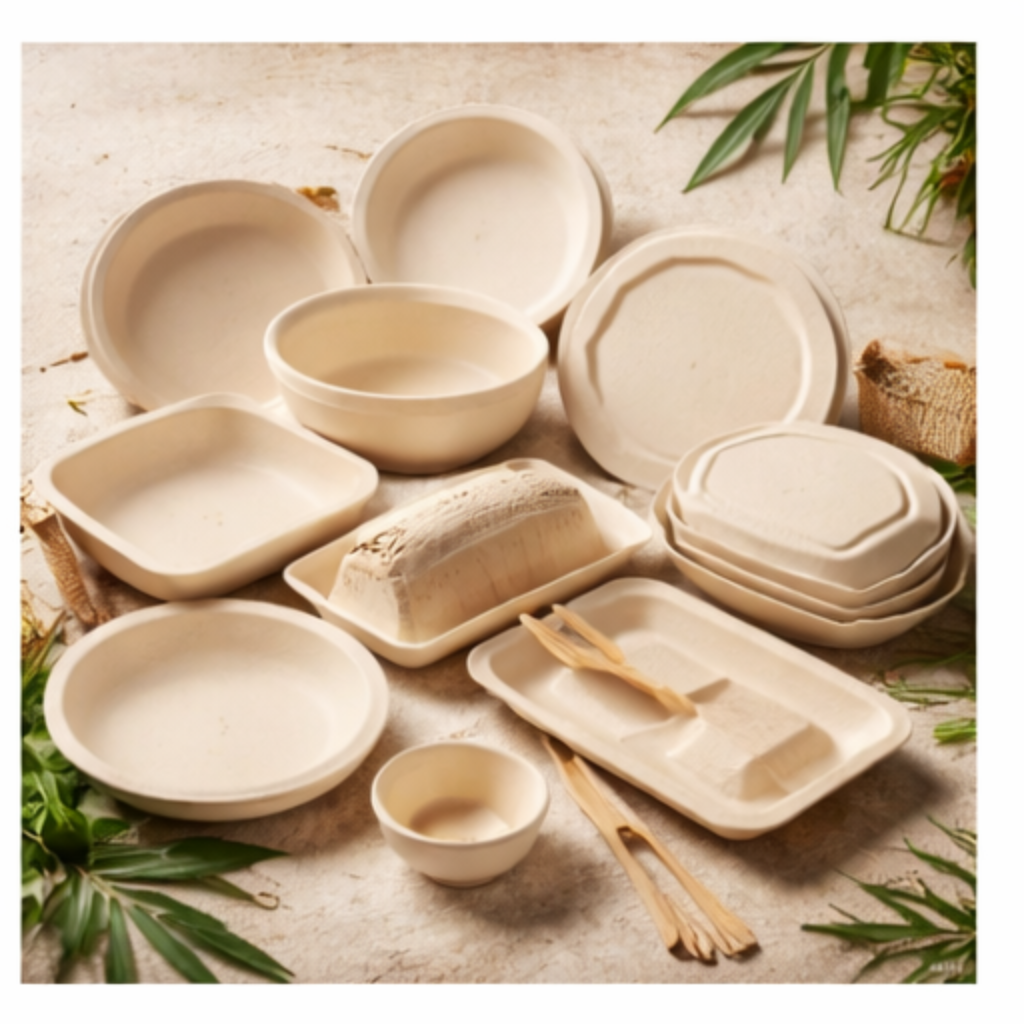
Bagasse is the fibrous residue left after sugarcane stalks are crushed to extract juice. This agricultural byproduct, which was once considered waste, is now being transformed into eco-friendly tableware and food packaging.
Benefits of Bagasse Tableware
- 100% Biodegradable: Bagasse products decompose within 90 days under composting conditions
- Microwave Safe: Unlike many plastics, bagasse can safely be used in microwaves
- Oil & Water Resistant: Perfect for hot and cold foods without leakage
- Sturdy Construction: Comparable strength to plastic alternatives
Making the Switch
For restaurants, caterers, and food service businesses, switching to bagasse tableware is a simple yet impactful step toward sustainability. The cost difference has narrowed significantly, making it an economically viable choice.
Conclusion
Bagasse clearly emerges as the winner when comparing environmental impact, functionality, and long-term sustainability. By choosing bagasse over plastic, businesses can reduce their carbon footprint while meeting growing consumer demand for eco-friendly options.